
Key Features
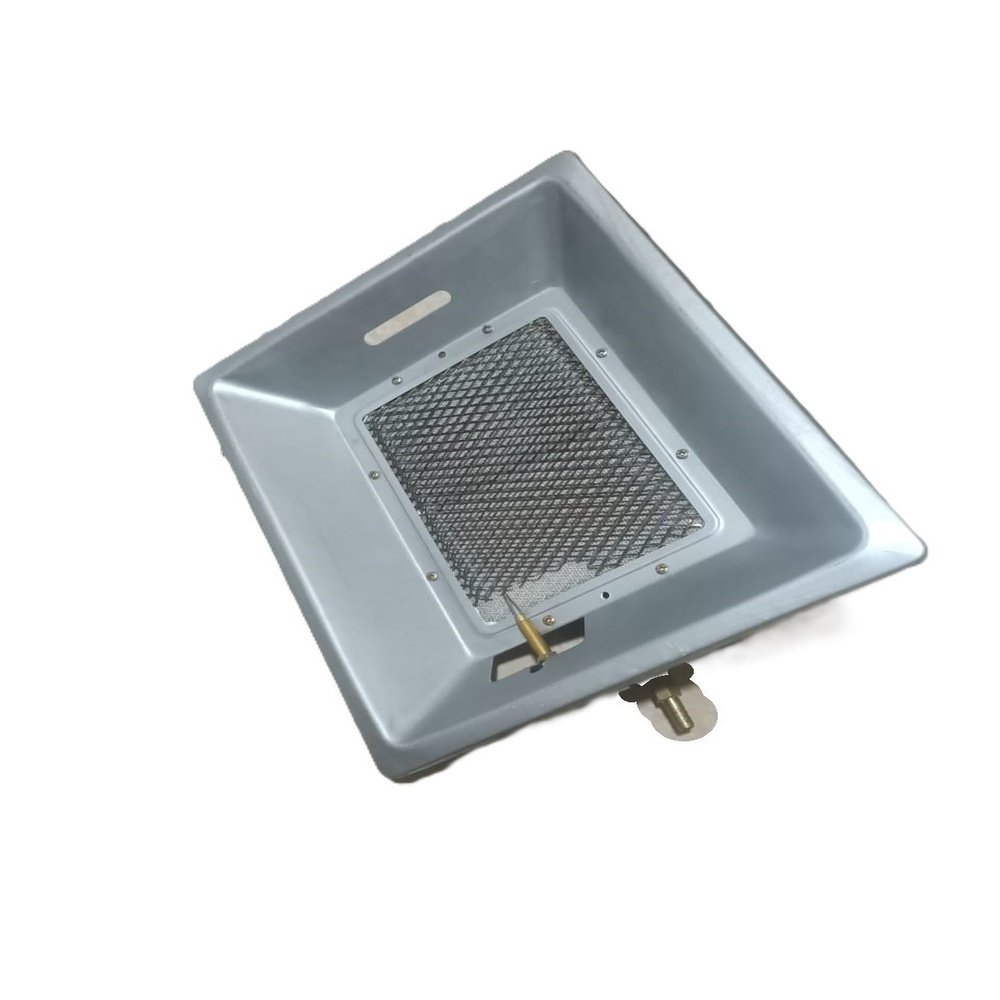
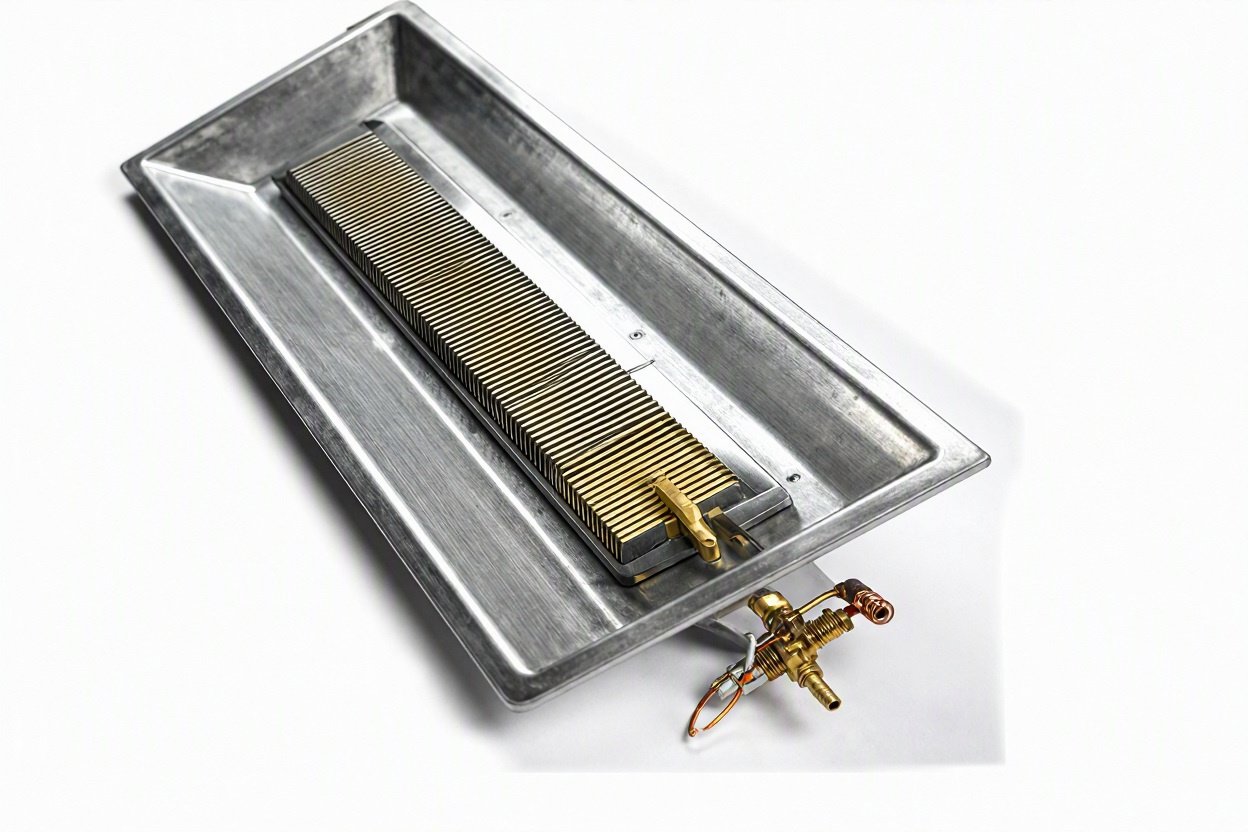
- Suitable for brooding up to 1,000 chicks
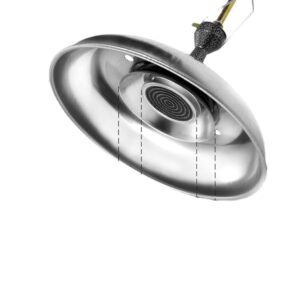
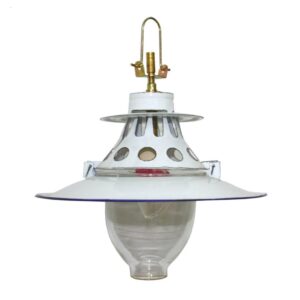
- Designed specifically for biogas
- Provides steady heat during the brooding period
- Adjustable heat output
- Manual or automatic ignition, depending on model
- Flame-failure protection
- Gas-flow control
- Durable burner and heat-reflector design
- Suitable for medium-scale and commercial poultry production
- Can reduce dependence on electricity, charcoal, firewood or LPG
- Easy to operate and maintain when correctly installed
Functions
- Burns biogas to produce radiant and convective heat.
- Warms the brooding area and helps maintain suitable chick temperature.
- Provides heat coverage for chicks during the first weeks of life.
- Allows the farmer to adjust heat according to chick age and environmental conditions.
- Supports continuous brooding when adequate biogas and ventilation are available.
Benefits
1. Uses Renewable Biogas
Converts biogas produced from animal manure, food waste and other organic materials into useful poultry heat.
2. Reduces Brooding Costs
Where a suitable biogas system is available, the brooder can reduce reliance on electricity, LPG, charcoal and firewood.
3. Suitable for 1,000 Chicks
Provides a practical heating solution for medium-scale and commercial poultry farmers rearing up to approximately 1,000 chicks, depending on brooder design, house insulation and weather conditions.
4. Consistent Heat Supply
A properly adjusted biogas burner can provide steady warmth throughout the brooding period.
5. Easy Heat Adjustment
The gas supply can be regulated to increase or reduce heat as chicks grow and ambient temperatures change.
6. Supports Healthy Chick Development
Maintaining suitable brooding temperatures helps reduce chilling, crowding, poor feeding and early chick losses.
7. Environmentally Friendly
Uses locally produced renewable gas and can help reduce the use of non-renewable fuels.
Safety Features
The brooder may incorporate several safety features, including:
- Flame-failure protection
- Manual gas shut-off valve
- Adjustable gas-flow control
- Stable burner support
- Protective heat reflector or guard
- Safe suspension or mounting system
- Gas-leak inspection points
- Heat-resistant components
Recommended Applications
- Brooding up to 1,000 day-old chicks
- Medium-scale poultry farms
- Commercial poultry farms
- Schools and agricultural training centres
- Institutional poultry units
- Farm-based hatchery operations
- Poultry demonstration projects
- Farms with an existing biodigester
Installation Requirements
For proper operation, the installation should include:
- A suitable biogas supply from a properly designed biodigester
- Correct biogas pressure and flow for the brooder model
- Biogas-rated pipework, hose and fittings
- A regulator and accessible gas shut-off valve
- Secure suspension or mounting above the brooding area
- A suitable heat reflector or guard
- Adequate brooder-house ventilation
- Safe clearance from litter, curtains, timber, plastic and other combustible materials
- A level, dry and clean brooding area
- Reliable thermometers for monitoring chick-level temperature across the brooding area
- Installation and commissioning by a competent technician
Brooding Management
For good results:
- Preheat the brooder house before introducing chicks.
- Monitor temperature at chick level in several locations rather than near the roof.
- Observe chick behaviour regularly.
- Chicks crowding under the brooder may indicate insufficient heat.
- Chicks moving far from the brooder or panting may indicate excessive heat.
- Reduce heat gradually as chicks grow and develop feathers.
- Keep litter dry and remove wet or contaminated bedding.
- Ensure clean drinking water and feed are always available.
- Inspect the flame, gas connections and burner regularly.
- Keep combustible materials away from the heat source.
- Ensure heat is distributed evenly throughout the brooding area.

Reviews
There are no reviews yet.