
Detailed Product Description
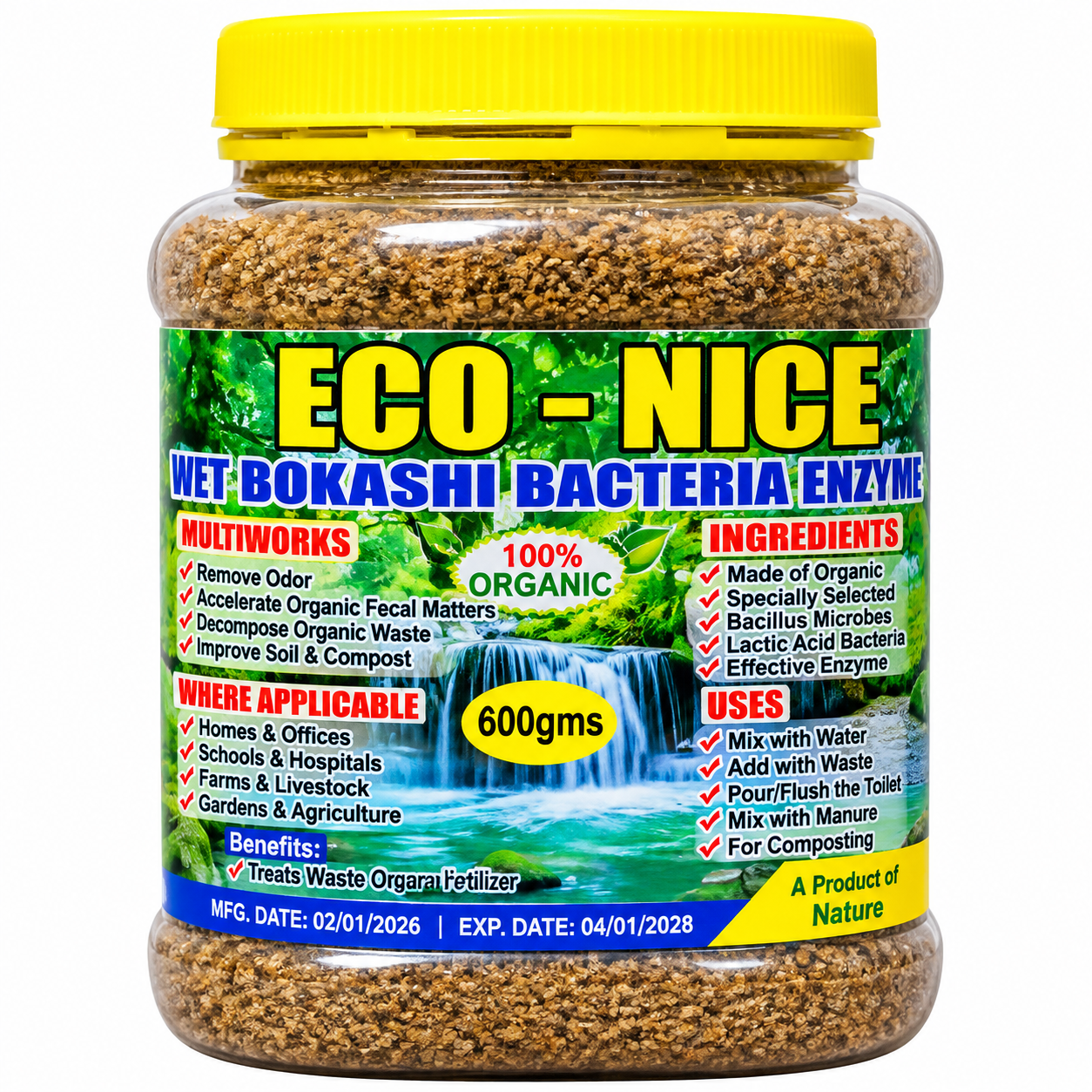
Biodigester Bacteria & Enzymes are biological waste-treatment products designed to support the natural breakdown of organic matter in sanitation and wastewater management systems.
They contain selected microbial cultures and biological enzymes that help decompose complex organic materials into simpler substances through biological digestion.
The bacteria consume biodegradable organic matter, while enzymes help break down complex substances such as proteins, fats, carbohydrates and cellulose into smaller compounds that microorganisms can process more easily.
When introduced into a biodigester or septic tank, suitable microbial cultures can support biological activity and contribute to the decomposition of accumulated organic waste.
These products are suitable for residential, commercial, agricultural and institutional applications, including homes, hotels, schools, hospitals, farms, restaurants and wastewater treatment facilities.
Key Features
- Beneficial Microorganisms: Contains selected bacteria that support the biological decomposition of organic waste.
- Enzyme Formulation: May contain enzymes such as protease, lipase, amylase and cellulase.
- Organic Waste Breakdown: Helps decompose biodegradable human and animal waste.
- Odour Management: Supports the breakdown of organic materials responsible for unpleasant smells.
- Sludge Management: Helps reduce the accumulation of biodegradable organic solids under suitable operating conditions.
- Multiple Applications: Suitable for biodigesters, septic tanks, pit latrines and wastewater treatment systems, depending on the formulation.
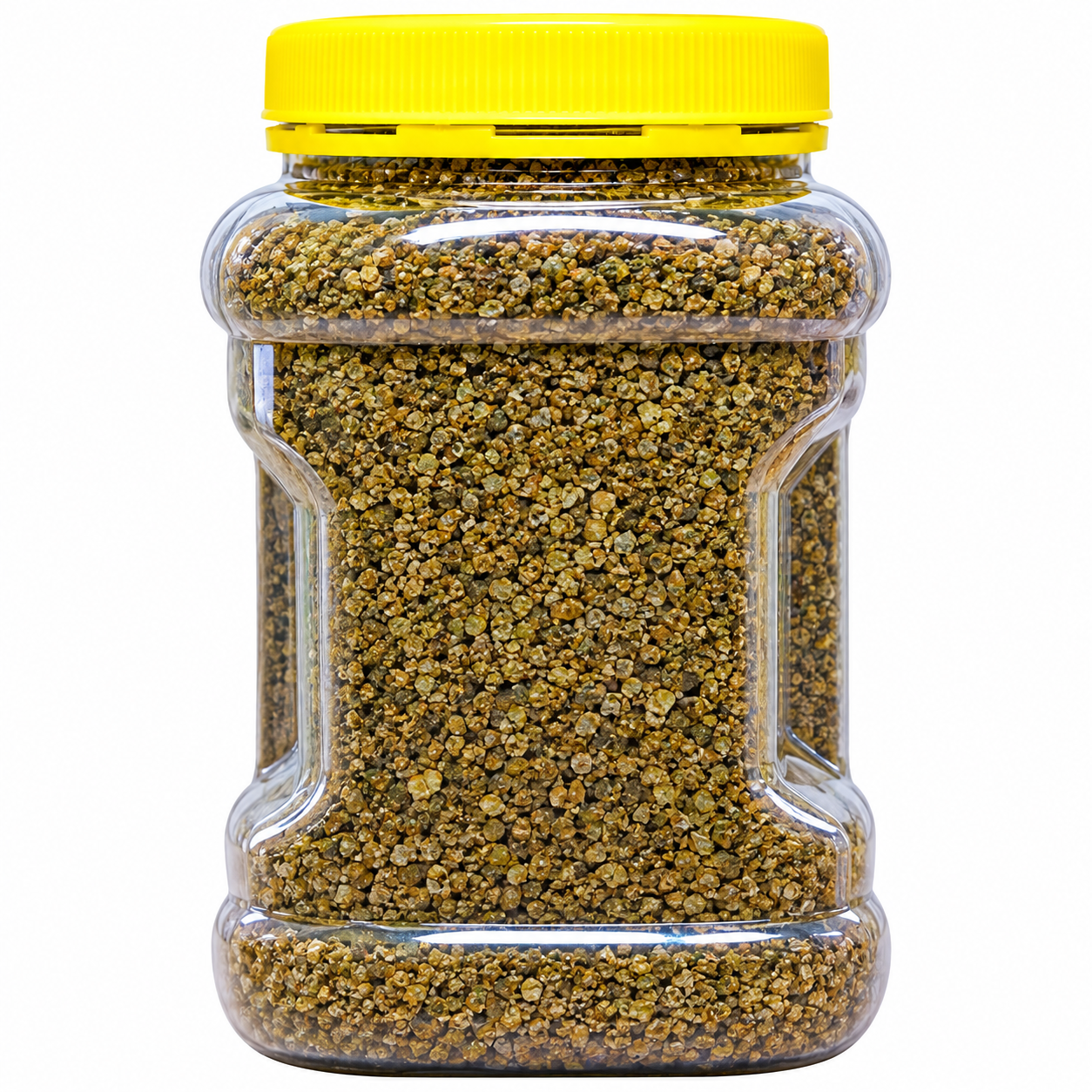
- Easy Application: Available in powder or liquid form for convenient dosing.
- Environmentally Friendly Formulations: Biological alternatives to certain conventional chemical waste-treatment products.
- Supports Biological Digestion: Helps maintain microbial activity in waste-treatment systems.
Functions and Applications
Biodigester Bacteria & Enzymes perform several important functions in biological waste-treatment systems.
A. Organic Waste Decomposition
The microorganisms help break down biodegradable organic materials, including:
- Human waste and faecal matter.
- Animal manure.
- Food waste.
- Organic kitchen residues.
- Fats, oils and grease.
- Other biodegradable organic materials.
B. Sludge Reduction Support
Certain microbial formulations help break down biodegradable solids, potentially reducing the rate of sludge accumulation in biodigesters, septic tanks and pit latrines.
C. Odour Control
The bacteria help decompose organic materials that contribute to unpleasant odours, supporting improved sanitation and hygiene.
D. Wastewater Treatment Support
Suitable microbial cultures support biological wastewater treatment by helping decompose organic pollutants and improve treatment processes.
E. Anaerobic Digestion Support
Specially selected anaerobic microbial cultures support the digestion of organic materials in oxygen-free environments, contributing to biogas production.
F. Grease and Fat Decomposition
Enzyme formulations containing lipase help break down fats, oils and grease found in wastewater from kitchens, restaurants and food-processing facilities.
Benefits of Biodigester Bacteria & Enzymes
Using appropriate biodigester bacteria and enzymes offers several potential benefits:
- Improved Organic Waste Breakdown: Supports the natural decomposition of biodegradable waste.
- Reduced Sludge Accumulation: Helps manage the build-up of organic solids.
- Odour Reduction: Supports the control of unpleasant smells from waste-treatment systems.
- Improved Wastewater Treatment: Helps microorganisms break down organic pollutants.
- Improved Digester Performance: Supports biological activity in properly maintained biodigesters.
- Grease Management: Helps break down fats and oils in suitable wastewater applications.
- Better Sanitation: Supports cleaner and more hygienic waste-management environments.
- Agricultural Applications: Can support the biological treatment of animal manure and organic agricultural waste.
- Environmental Management: Promotes biological treatment processes instead of relying exclusively on chemical treatments.
How Biodigester Bacteria & Enzymes Work
The product works through biological and enzymatic processes.
Step 1: Introduction into the System
The bacteria and enzymes are introduced into the biodigester, septic tank or pit latrine according to the manufacturer’s instructions.
Step 2: Enzymatic Breakdown
Enzymes help break down complex organic materials into smaller compounds.
Step 3: Microbial Digestion
Beneficial microorganisms consume the resulting biodegradable compounds and convert them into simpler substances.
Step 4: Biological Decomposition
Under suitable conditions, microorganisms continue breaking down organic waste.
Step 5: Waste Treatment
The biological process contributes to the production of treated liquid, microbial biomass and, in anaerobic digesters, biogas.
Suitable Applications
Biodigester Bacteria & Enzymes can be used in various sectors, depending on their formulation.
Residential Applications
- Household biodigesters.
- Domestic septic tanks.
- Household toilets.
- Pit latrines.
Commercial Applications
- Hotels and lodges.
- Restaurants and kitchens.
- Shopping centres.
- Commercial sanitation facilities.
- Office buildings.
Agricultural Applications
- Dairy farms.
- Poultry farms.
- Pig farms.
- Animal manure management.
- Agricultural wastewater treatment.
Institutional Applications
- Schools and universities.
- Hospitals and healthcare facilities.
- Churches.
- Residential institutions.
- Public sanitation facilities.
Industrial Applications
- Food-processing facilities.
- Slaughterhouses.
- Wastewater treatment plants.
- Organic waste-management facilities.
Application and Usage Instructions
The application method depends on whether the product is supplied in powder or liquid form.
Powder Form
- Measure the recommended quantity according to the manufacturer’s instructions.
- Mix with water if required by the product formulation.
- Allow activation if specified by the manufacturer.
- Introduce the mixture through the toilet, biodigester inlet or designated dosing point.
- Repeat according to the recommended dosing schedule.
Liquid Form
- Shake the container if recommended.
- Measure the required quantity.
- Pour directly into the toilet or designated biodigester dosing point.
- Flush with water if required.
- Repeat according to the manufacturer’s maintenance schedule.
Important: Dosage depends on the product’s microbial concentration, formulation, tank capacity, waste load and application. Always follow the manufacturer’s instructions rather than applying a universal dosage.
Important Operating and Maintenance Information
For effective biological waste treatment:
- Avoid introducing excessive bleach, disinfectants and harsh chemical cleaners into biological treatment systems.
- Do not introduce pesticides, solvents, petroleum products or other substances that may inhibit microbial activity.
- Maintain appropriate operating conditions, including temperature and pH.
- Avoid disposing of plastics, sanitary towels, nappies and other non-biodegradable materials into the system.
- Ensure adequate water flow and avoid hydraulic overloading.
- Follow the recommended application and dosing instructions.
- Inspect the biodigester or septic system regularly.
Important technical note: Bacterial additives are not a substitute for proper biodigester design, maintenance or professional inspection. They do not eliminate the need for sludge management or desludging where required. The US Environmental Protection Agency notes that most domestic septic systems already contain naturally occurring microorganisms and does not generally recommend routine bacterial or chemical additives for domestic septic systems.
Why Choose Biodigester Bacteria & Enzymes from Home Biogas Kenya?
At Home Biogas Kenya, we provide biogas and biological waste-treatment solutions designed to support sustainable sanitation, efficient organic waste management and renewable energy production.
Our biodigester bacteria and enzyme products are suitable for customers looking to support biological waste decomposition in appropriate sanitation and wastewater treatment systems.
Whether you operate a household biodigester, commercial septic system, agricultural facility or wastewater treatment plant, selecting the correct biological treatment product is important for maintaining effective system operation.
Contact Home Biogas Kenya for product information, application guidance and biological waste-treatment solutions.
Reviews
There are no reviews yet.